


AI-Resistant Detection
AI made new attacks cheap to invent and easy to hide from any list of known threats. Smarter detectors will not fix that. AI-resistant detection is the approach that still works when the attack has no name.
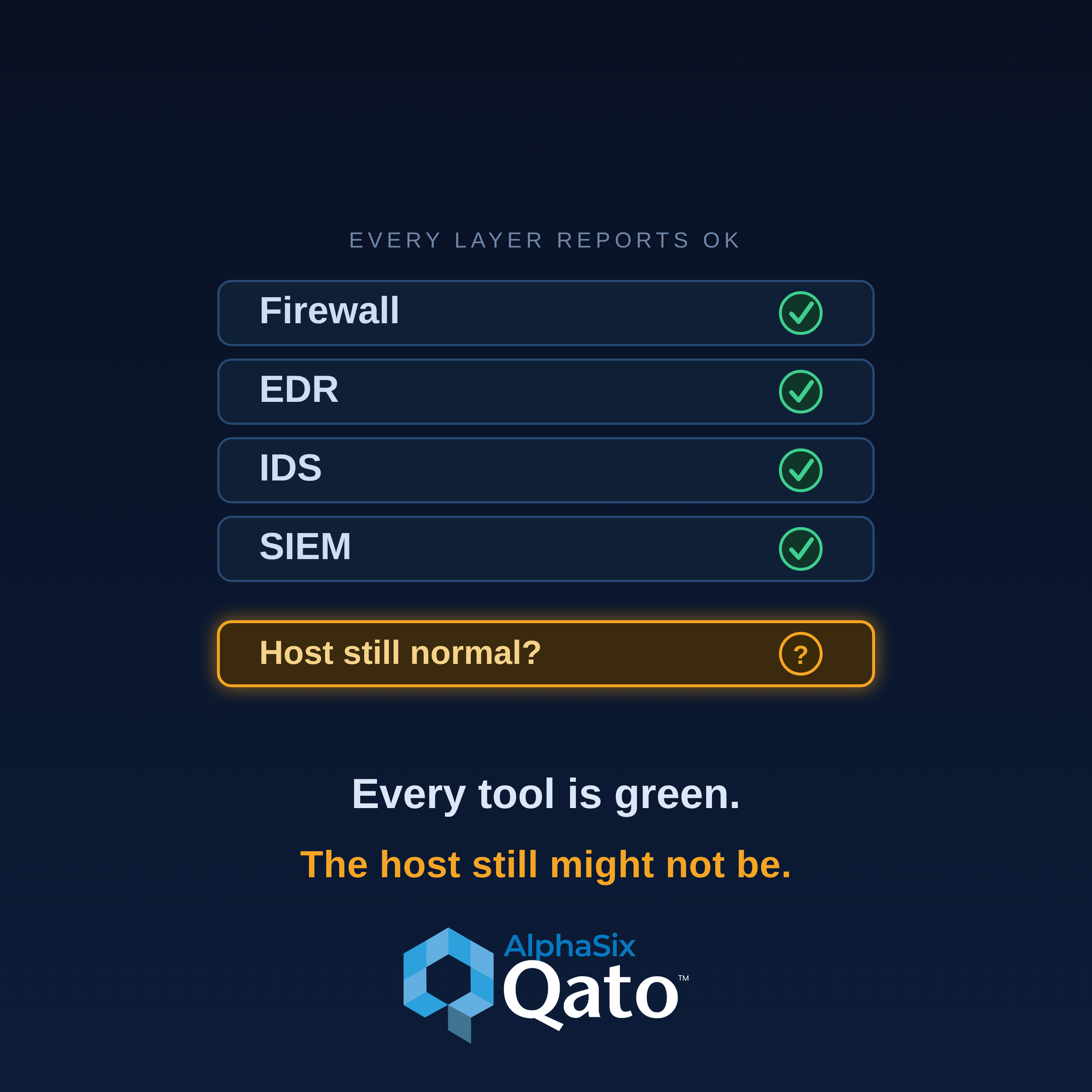
Everyone Has a Security Stack. Why Are They Still Getting Breached?
You already run firewalls, EDR, IDS, and a SIEM. The next intrusion can still look allowed and not-yet-known. Here is the question that stack was never built to ask.
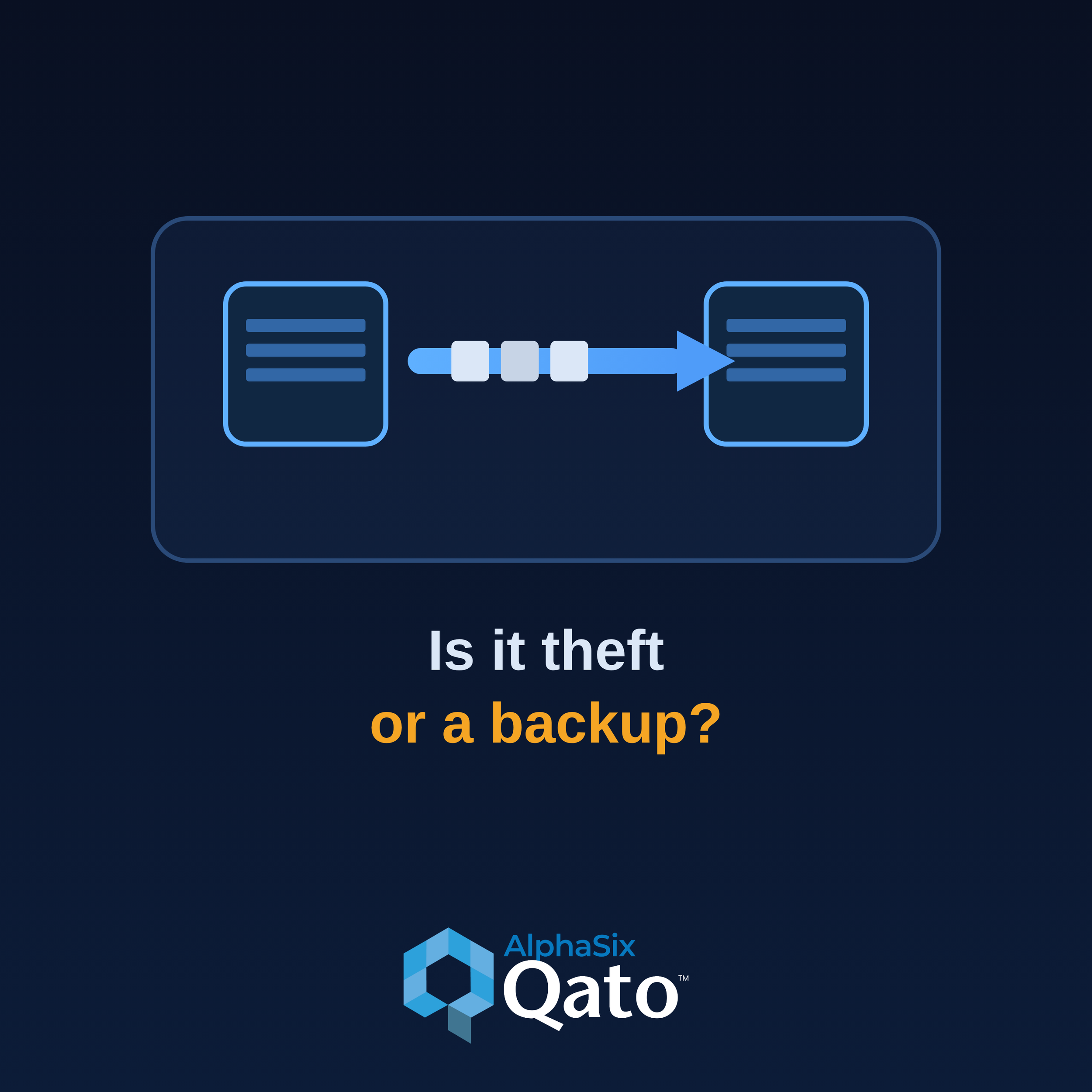
Five Things Hosts Do That Look Like Attacks
A 2 a.m. backup looks like exfiltration. Patch Tuesday looks like an intrusion. Here are five ordinary host behaviors that light up a behavioral detector, how to tell them from the real thing, and the one case behavior cannot settle.
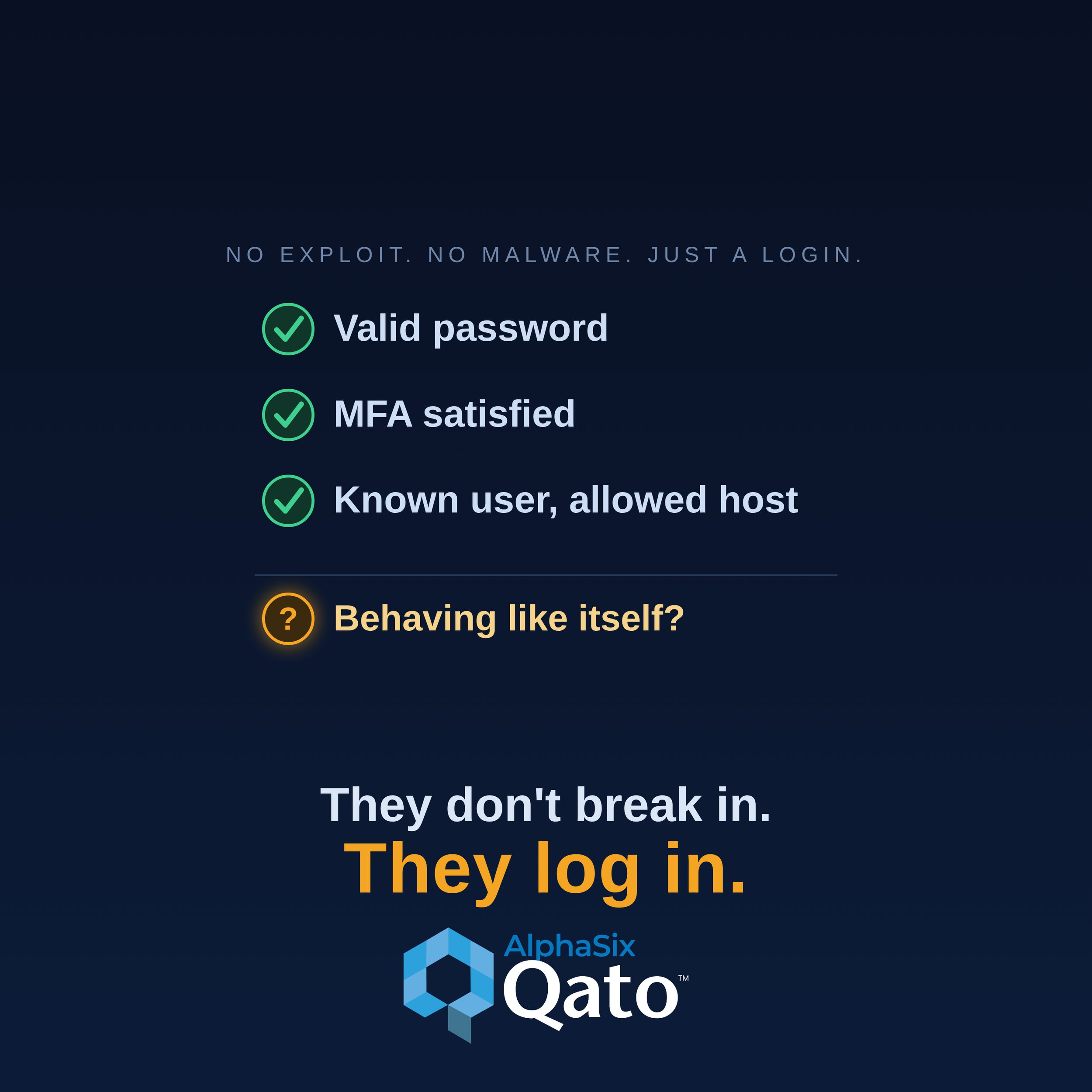
Attackers Don't Break In. They Log In.
The quiet intrusion often starts with a real account and a clean session. No exploit. No malware. Just a login your tools were built to allow.

Can an Attacker Train Themselves Into Your Baseline?
If a system learns what normal looks like, can an attacker teach it that their activity is normal too? Here is the honest answer.
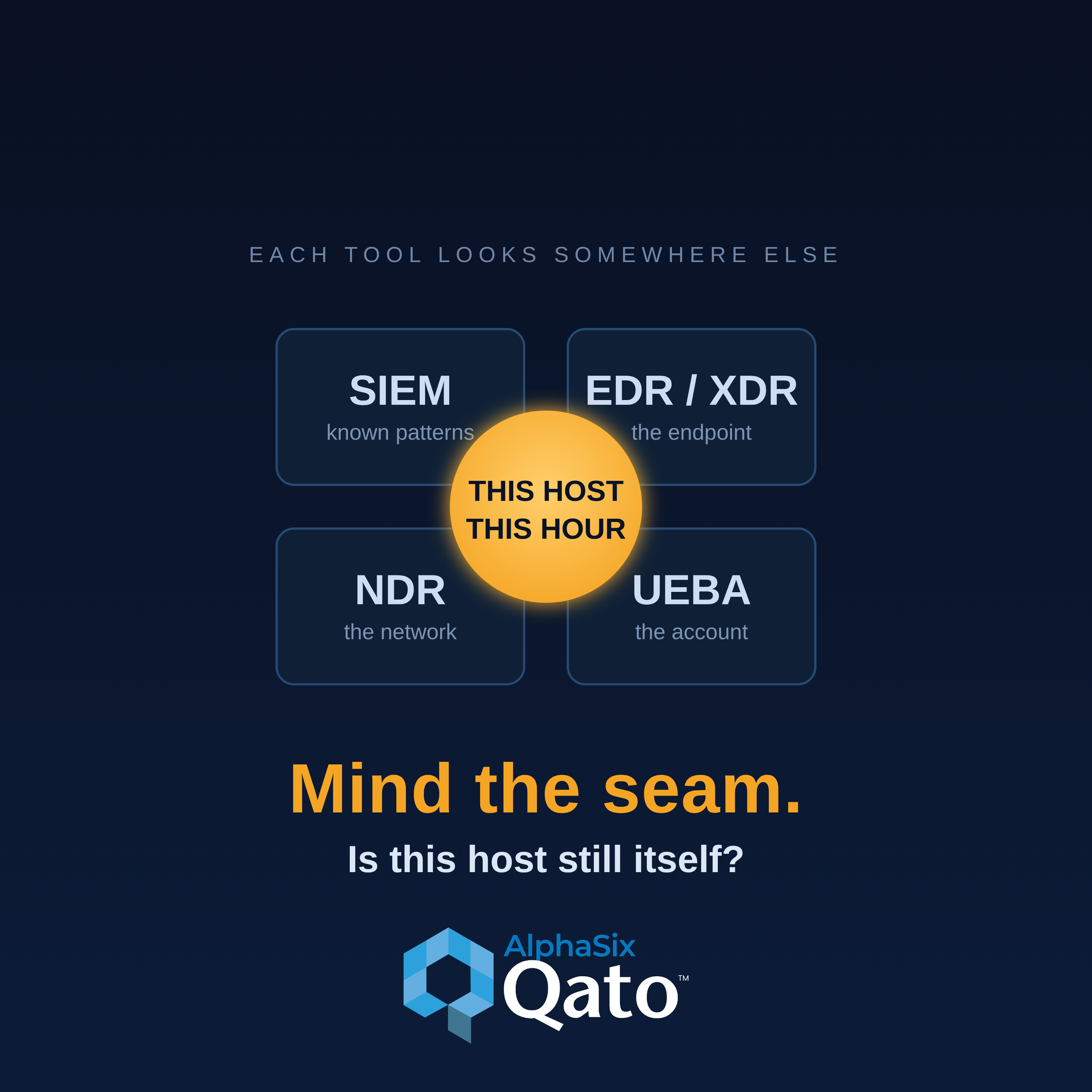
UEBA, NDR, EDR: Where Behavioral Anomaly Detection Actually Fits
EDR, NDR, UEBA, and SIEM each look in a different place and assume a different kind of normal. Here is how they line up, the gap they share, and where host-level behavioral anomaly detection fits.
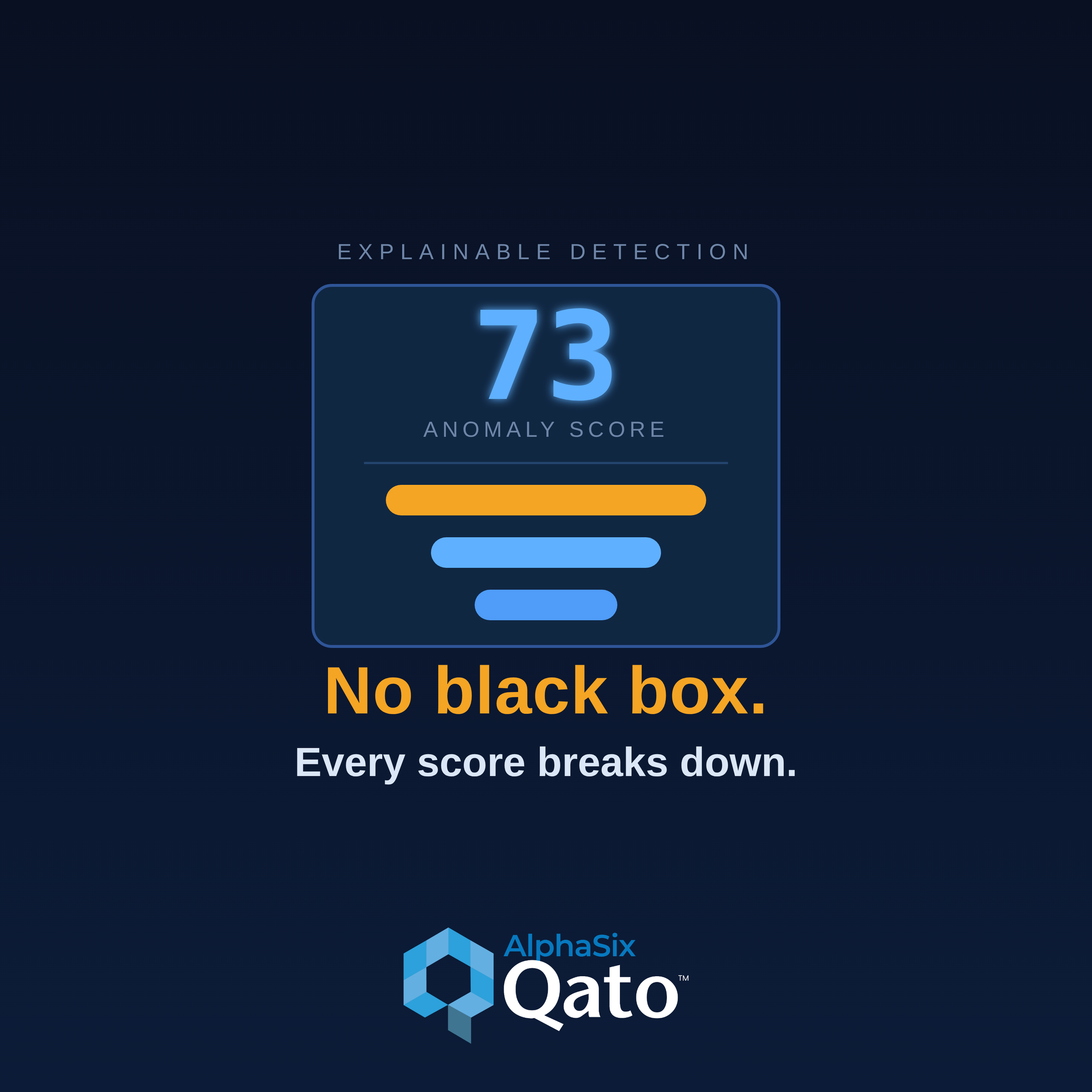
The Black Box Problem: Why 'Trust the AI' Isn't Good Enough in a SOC
A detection score you cannot explain is a score you cannot act on. Why explainability, not autonomy, is what a SOC actually needs from AI.
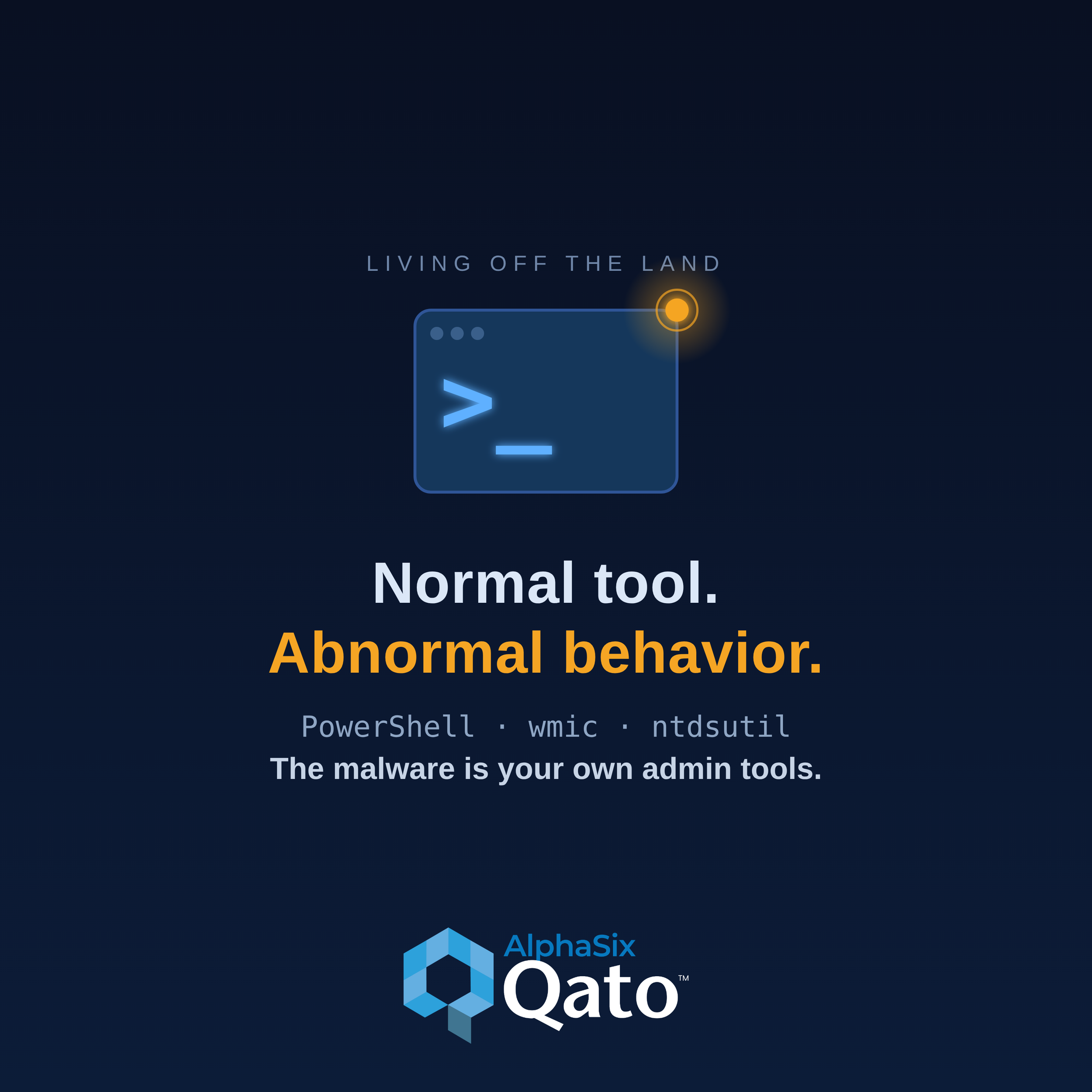
Living off the Land: When the Malware Is Your Own Admin Tools
PowerShell isn't malware. Neither is wmic. When an intruder works with your own administrative tools, the only tell is behavior the host has never shown before.
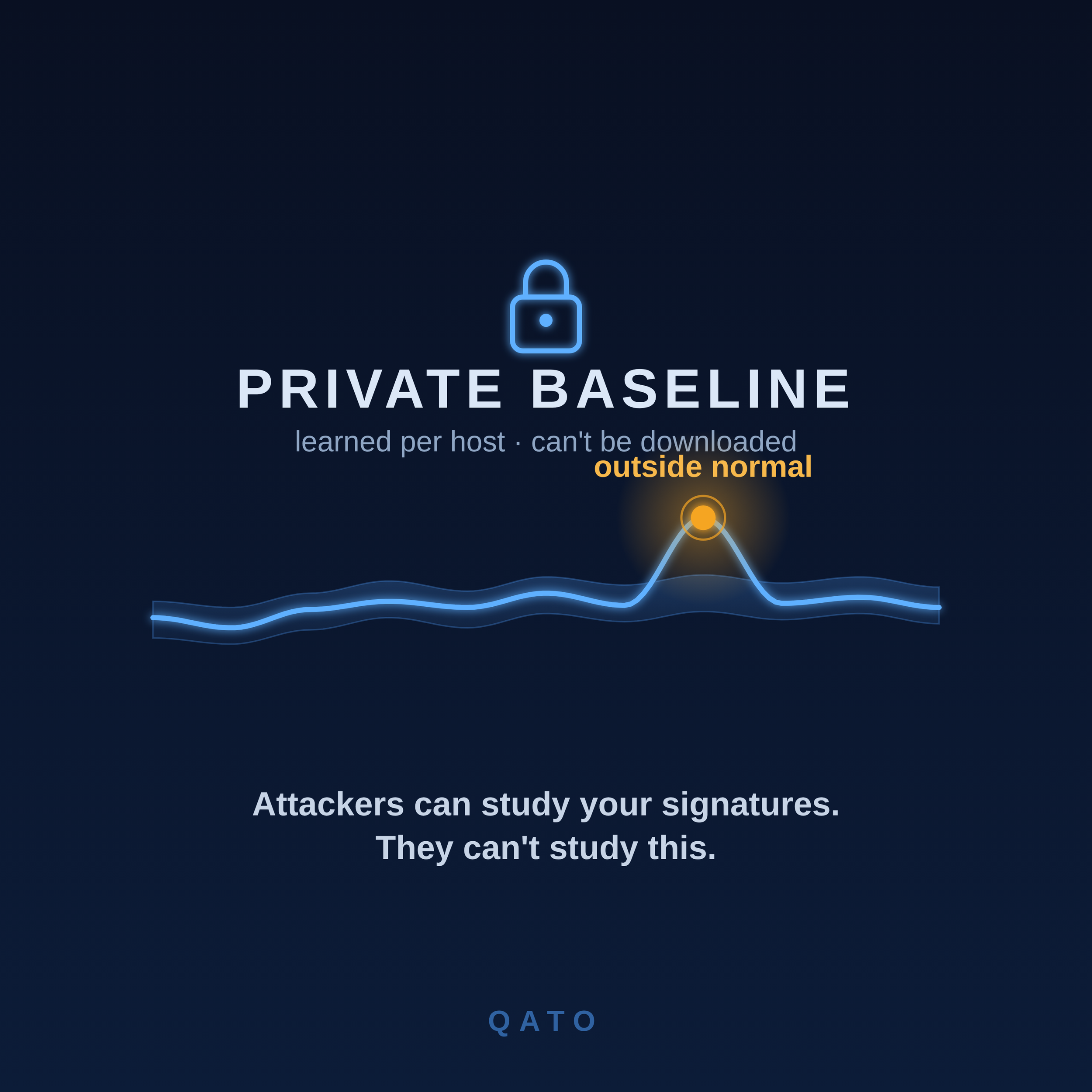
Why Attackers Can Download Your Signatures but Not Your Baselines
Attackers download the same signature rules your tools run and rehearse against them until nothing fires. The one thing they cannot download is what your hosts normally do.
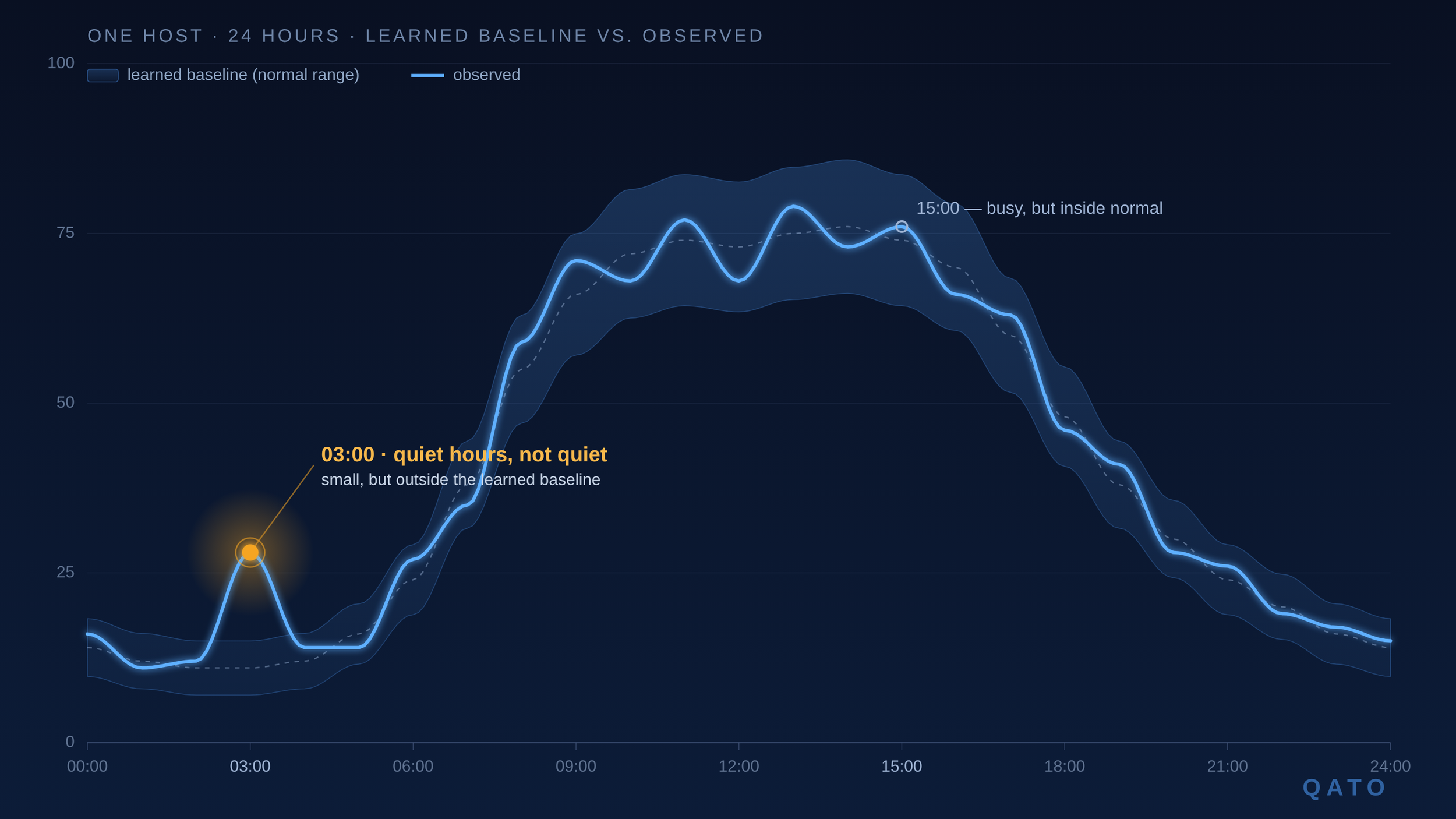
Do You Actually Know What Your Servers Do All Day?
You can list every server you own. But could you say what normal looks like on even one of them at 3am on a Saturday? Attackers are counting on the answer.